
Your Garage Door Shouldn't Sound Like That
You press the button, and instead of a smooth, quiet operation, your garage door launches into a symphony of grinding, squeaking, rattling, or banging. If you're like most homeowners in Oceanside, you've probably learned to tune it out. But those sounds aren't just a nuisance — they're your garage door's way of telling you something is wrong.
Ignoring unusual garage door noises can lead to bigger, more expensive problems down the road. The good news is that most noise-related issues are fixable, and understanding what each sound means can help you decide whether it's a quick DIY fix or time to call in a professional.
Squealing or Screeching Sounds
A high-pitched squeal when your garage door opens or closes is one of the most common complaints we hear from homeowners. This sound usually points to one of two issues:
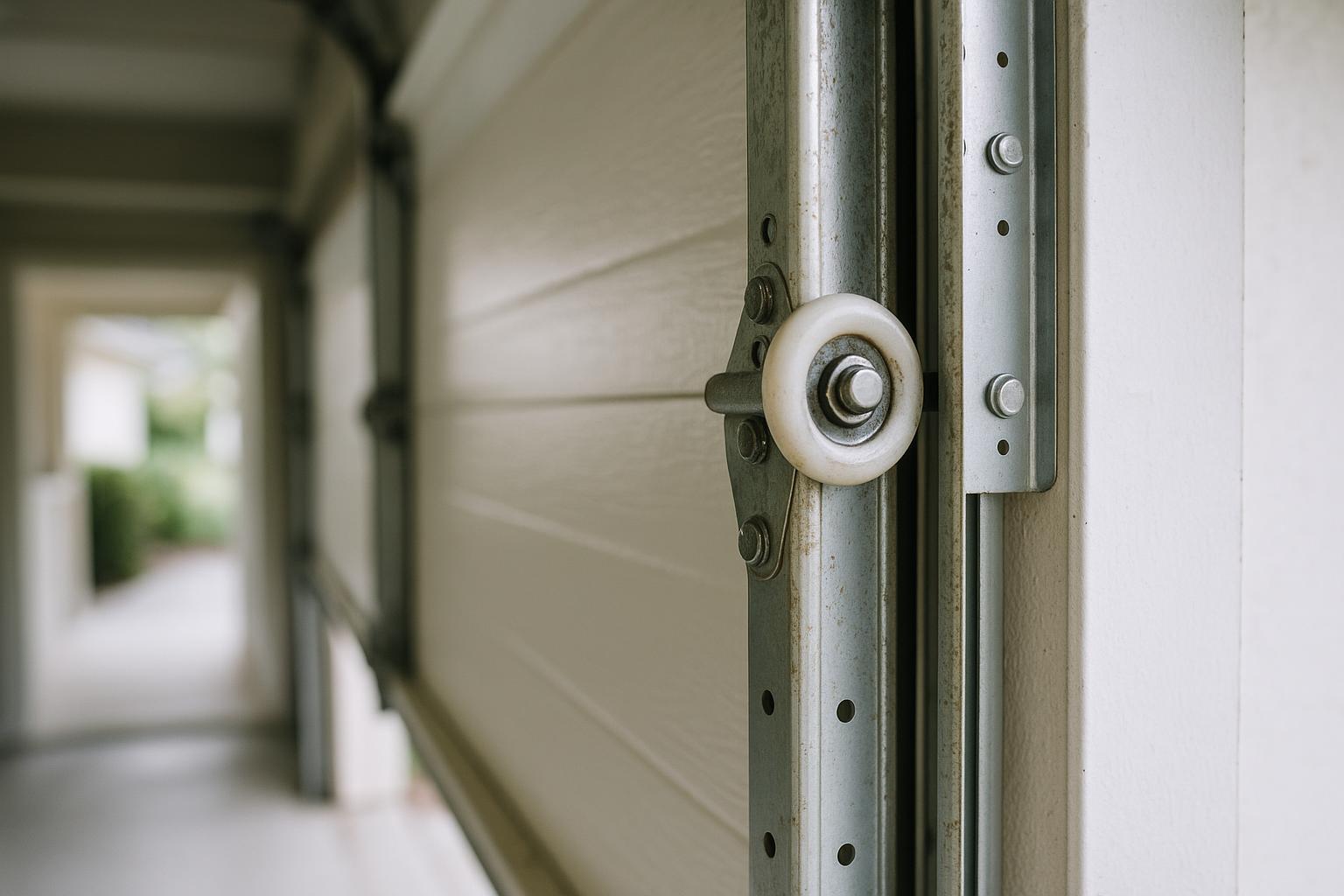
- Dry or worn rollers: Metal rollers that haven't been lubricated in a while will screech as they move along the tracks. Over time, the bearings inside the rollers wear out entirely, and no amount of lubrication will quiet them down.
- Metal-on-metal friction: When hinges, springs, or other moving parts lack proper lubrication, they create that unmistakable squealing sound as they rub together during operation.
In many cases, applying a garage door-specific lubricant (not WD-40, which is a solvent, not a lubricant) to the rollers, hinges, and springs can solve the problem immediately. If the rollers are visibly worn or chipped, replacing them with nylon rollers is a smart upgrade that dramatically reduces noise.
Grinding or Scraping Noises
Grinding is a more serious sound that typically indicates a mechanical problem. Common causes include:
- Misaligned tracks: If your garage door tracks have shifted even slightly, the door will scrape against them as it moves. You might also notice the door moving unevenly or hesitating at certain points.
- Worn gears in the opener: Electric garage door openers use a set of gears to drive the mechanism. When these gears strip or wear down, you'll hear a grinding noise coming from the motor unit itself.
- Debris in the tracks: Living near the coast in Oceanside means salt air, sand, and grit can accumulate in your garage door tracks over time, creating resistance and grinding sounds.
Track alignment issues and opener gear problems are best handled by a trained technician. Attempting to bend tracks back into place without the right tools can make the problem worse or create a safety hazard.
Rattling and Vibrating
A rattling garage door often sounds worse than it actually is. The most common culprits are:
- Loose hardware: The nuts, bolts, and screws that hold your garage door system together can loosen over time due to the constant vibration of daily use. A simple pass with a socket wrench to tighten everything up can eliminate the rattle.
- Loose chain or belt: If your opener uses a chain drive, a loose chain will slap and rattle during operation. Belt-drive openers can develop a similar issue if the belt stretches over time.
- Unsecured opener mounting: If the garage door opener unit itself isn't firmly attached to the ceiling, the vibration from the motor will cause the entire unit to shake and rattle.
Tightening loose hardware is a straightforward maintenance task most homeowners can handle. However, adjusting chain tension requires some care — too tight and you'll strain the opener motor, too loose and the rattling continues.
Banging or Popping Sounds
Sudden banging or popping noises are the ones that tend to alarm homeowners the most, and for good reason. These sounds can indicate:
- Torsion spring issues: As torsion springs age, they can make popping or snapping sounds during operation. A loud bang from the garage when no one is using the door often means a spring has broken entirely. This is a serious issue that requires immediate professional repair — garage door springs are under extreme tension and are dangerous to handle without proper training and tools.
- Panel problems: Warped or damaged panels can pop or bang as they flex during movement. This is especially common with older wooden garage doors or doors that have sustained minor impact damage.
If you hear a sudden, loud bang from your garage, do not attempt to operate the door. A broken spring can cause the door to drop unexpectedly or operate unpredictably.
Humming Without Movement
If your garage door opener hums or buzzes but the door doesn't move, the motor is running but can't drive the door. This could mean:
- The door is locked or obstructed: Check that the manual lock isn't engaged and that nothing is blocking the door's path.
- Stripped gears: The motor runs, but the internal gears can no longer transfer that power to the drive mechanism.
- A broken spring: Without functioning springs to counterbalance the door's weight, the opener motor simply can't lift it alone.
Why Coastal Living Matters for Garage Door Maintenance
Oceanside's coastal environment creates unique challenges for garage doors. The salt air accelerates corrosion on metal components, including springs, tracks, rollers, and hardware. Sand and moisture work their way into moving parts, increasing friction and wear. Homeowners in Carlsbad, Encinitas, and other nearby coastal communities face similar conditions.
This is why regular maintenance is especially important in our area. Having your garage door professionally inspected and serviced at least once a year helps catch developing issues before they turn into noisy — and costly — problems.
When to Call a Professional
Some garage door noises point to simple fixes you can handle yourself, like lubricating moving parts or tightening loose bolts. But other sounds signal problems that require professional expertise:
- Grinding from the opener motor unit
- Any noise accompanied by the door moving unevenly or getting stuck
- Loud bangs or pops, especially from the spring area
- Sounds that persist after basic lubrication and tightening
At Oceanside Garage Door, we diagnose and fix noisy garage doors every day for homeowners across Oceanside, Vista, San Marcos, and Escondido. We'll identify exactly what's causing the noise, explain your options, and get your door running quietly and safely again.
Don't Ignore What Your Garage Door Is Telling You
A noisy garage door is more than an annoyance — it's an early warning system. Paying attention to changes in how your door sounds can help you catch small problems before they become major repairs. If your garage door has started making sounds that weren't there before, don't wait for it to stop working entirely. A quick inspection now can save you time, money, and the headache of an unexpected breakdown.
If you're not sure what's causing the noise, give us a call. We'll come out, take a look, and give you an honest assessment of what your garage door needs to get back to smooth, quiet operation.